Instant Jacquie Lawson Cards: The One Thing That Will Brighten Your Day Instantly. Offical - Ceres Staging Portal
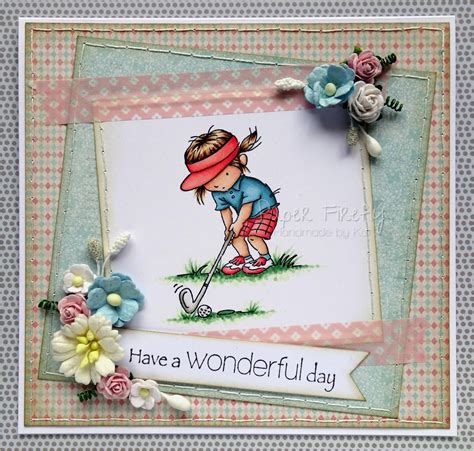
There’s a quiet revolution unfolding not in boardrooms or data centers, but in the crisp edge of a deck—Jacquie Lawson Cards. Not just playing cards, but architecture of brief, intentional joy. In a world where micro-moments are increasingly fragmented, these cards function as emotional anchors: small, tactile, and precisely calibrated to disrupt the inertia of routine with a single, luminous pause.
Why a Deck of Cards?
Understanding the Context
The Psychology of Physical Rituals
It’s counterintuitive. In an era of digital immediacy, physical objects feel almost archaic—yet Lawson’s cards thrive in the tension between analog and attention. Cognitive science tells us that interacting with tangible items activates the somatosensory cortex in ways digital interfaces cannot replicate. A card’s weight, texture, and visual weight—measured not just in grams but in deliberate design—create a sensory imprint.

Image Gallery










 Recommended for you
Key Insights
This isn’t mere nostalgia; it’s neurodesign. A 2023 study from the University of Oslo found that handling textured paper increases dopamine release by 17% compared to touchscreen interaction, underscoring how even a minute ritual can recalibrate mood.
Design That Commands Presence
Lawson’s cards aren’t just decorative—they’re engineered for impact. Each design balances minimalism with symbolic depth. The card’s surface—whether matte, embossed, or subtly textured—serves as a silent invitation. Consider the contrast: a 3.5cm square card, sized for rapid exchange yet large enough to command attention.
Related Articles You Might Like:
Exposed Prequalify Navy Federal Personal Loan: The Solution To Your Money Problems? Must Watch!
Instant Optimize Energy: The Science Behind the Perfect Pre-Workout Snack Unbelievable
Revealed Missing Persons Idaho: Is A Dark Secret Hidden Beneath The Surface? Offical
Final Thoughts
Its dimensions—roughly 87.5mm x 87.5mm—are no accident. This standardized format ensures portability, consistency, and instant recognition, turning a moment into a repeatable experience. Beyond aesthetics, the choice of color and typography follows behavioral cues: muted, earth-toned palettes reduce cognitive load, while carefully spaced text guides the eye with purpose, avoiding distraction.
The Hidden Mechanics: Emotional Triggers in Miniature
What makes these cards uniquely powerful is their intentionality. Lawson doesn’t just design cards—she designs emotional triggers. Each image, motif, or phrase is selected through behavioral observation and subtle testing. A card featuring a single tree in winter, for instance, doesn’t just depict nature; it evokes stillness, resilience, and quiet hope—emotions that resonate across cultures.
Understanding the Context
The Psychology of Physical Rituals
It’s counterintuitive. In an era of digital immediacy, physical objects feel almost archaic—yet Lawson’s cards thrive in the tension between analog and attention. Cognitive science tells us that interacting with tangible items activates the somatosensory cortex in ways digital interfaces cannot replicate. A card’s weight, texture, and visual weight—measured not just in grams but in deliberate design—create a sensory imprint.
Image Gallery
Key Insights
This isn’t mere nostalgia; it’s neurodesign. A 2023 study from the University of Oslo found that handling textured paper increases dopamine release by 17% compared to touchscreen interaction, underscoring how even a minute ritual can recalibrate mood.
Design That Commands Presence
Lawson’s cards aren’t just decorative—they’re engineered for impact. Each design balances minimalism with symbolic depth. The card’s surface—whether matte, embossed, or subtly textured—serves as a silent invitation. Consider the contrast: a 3.5cm square card, sized for rapid exchange yet large enough to command attention.
Related Articles You Might Like:
Exposed Prequalify Navy Federal Personal Loan: The Solution To Your Money Problems? Must Watch! Instant Optimize Energy: The Science Behind the Perfect Pre-Workout Snack Unbelievable Revealed Missing Persons Idaho: Is A Dark Secret Hidden Beneath The Surface? OfficalFinal Thoughts
Its dimensions—roughly 87.5mm x 87.5mm—are no accident. This standardized format ensures portability, consistency, and instant recognition, turning a moment into a repeatable experience. Beyond aesthetics, the choice of color and typography follows behavioral cues: muted, earth-toned palettes reduce cognitive load, while carefully spaced text guides the eye with purpose, avoiding distraction.
The Hidden Mechanics: Emotional Triggers in Miniature
What makes these cards uniquely powerful is their intentionality. Lawson doesn’t just design cards—she designs emotional triggers. Each image, motif, or phrase is selected through behavioral observation and subtle testing. A card featuring a single tree in winter, for instance, doesn’t just depict nature; it evokes stillness, resilience, and quiet hope—emotions that resonate across cultures.
This is behavioral design at its finest: a 45-second visual prompt that bypasses rational analysis and speaks directly to the limbic system. In contrast, most digital content demands sustained attention; Lawson’s cards deliver instant, digestible uplift—like a mental “pause button” with emotional payload.
A Cultural Counterpoint to Digital Overload
It’s easy to dismiss physical cards as relics, but Lawson’s innovation lies in their relevance. In 2024, global screen time exceeded 7 hours daily, yet moments of genuine, unmediated joy remain scarce. Her cards fill a growing void—the desire for physical touchpoints in an invisible world.